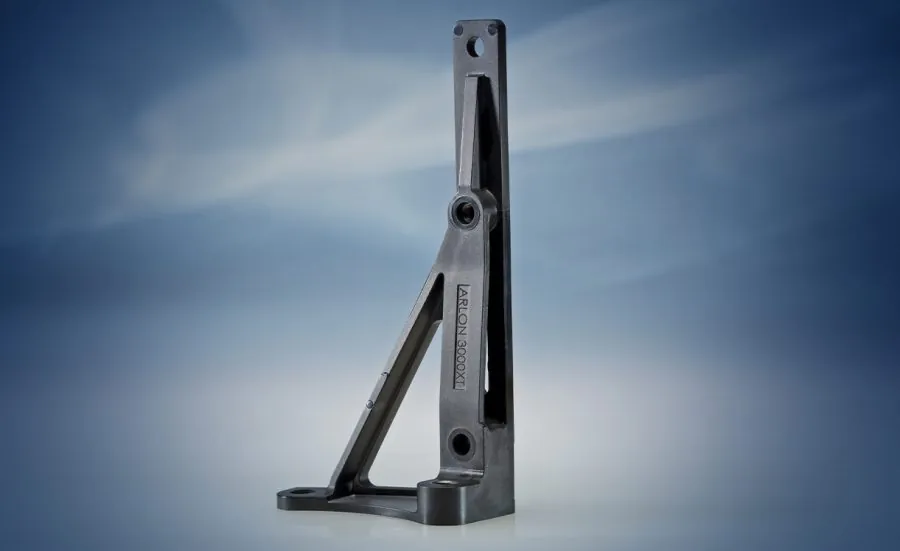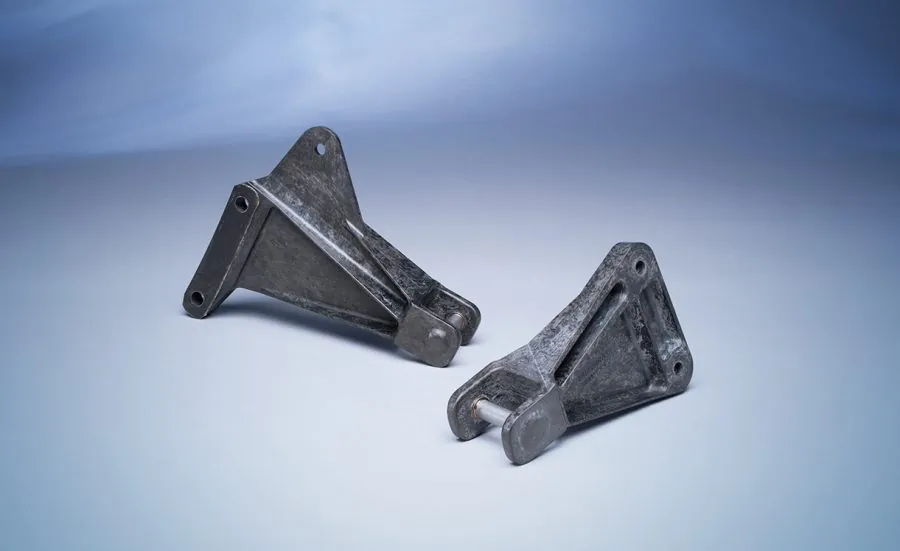
High glass and carbon fiber loadings can replace metal, combining strength and durability
High glass and carbon fiber loadings can replace metal, combining strength and durability.
Request a Sample Ask an Engineer →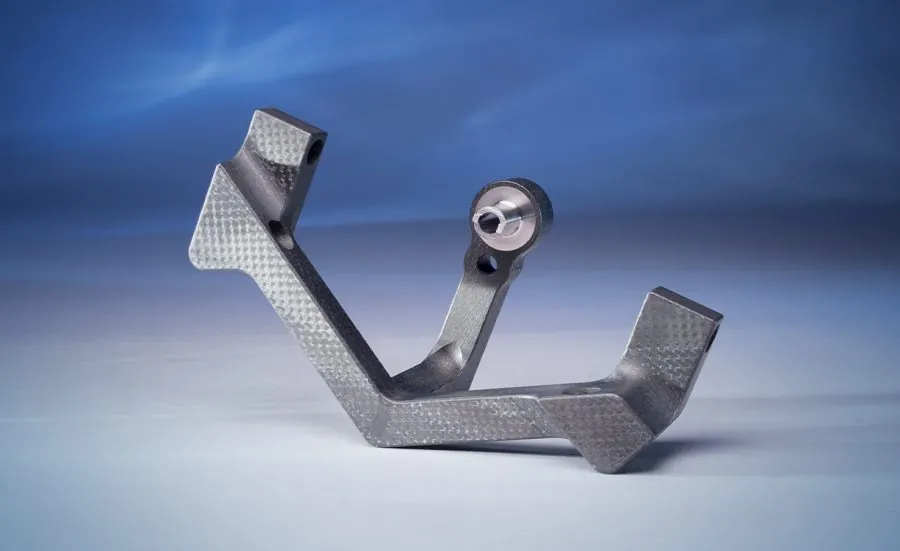
- Engineering thermoplastics (ETP) include neat resins as well as grades reinforced with glass fiber or mineral powders such as talc, kaolin and mica.
- Mineral-filled compounds provide geometric stability and hold tolerances.
- ETPs are also available in specific colors, with optimized MFI and strong stability against heat, UV exposure and chemicals.
- Functional reinforcement of standard materials:
-
- ABS, PP, PMMA, PE, UPE, PS
- POM, PPE, PET, PBT, PC
- PA66, PARA, PA6, PA6T, PA9T, PA12, PA46, PPA
- PAI, PEEK, PES, PPSU, PEI, LCP, PPS
- TPEE, TPE, TPV, TPU
- The following properties can be combined:
-
- Carbon-fiber-reinforced, wear-resistant, electrically conductive, thermally conductive and high-stiffness grades.
- Special composites: aramid (AF), CF+GF, CF+TF, GF+TF and other combination grades
- Broad range of wear-resistant grades: with Si, MoS₂, PTFE, nano-modification, etc.
- High dimensional stability (low moisture absorption, low warpage, low shrinkage, low CTE)
- Combinations of electrical conductivity, antistatic, EMI shielding and thermal conductivity
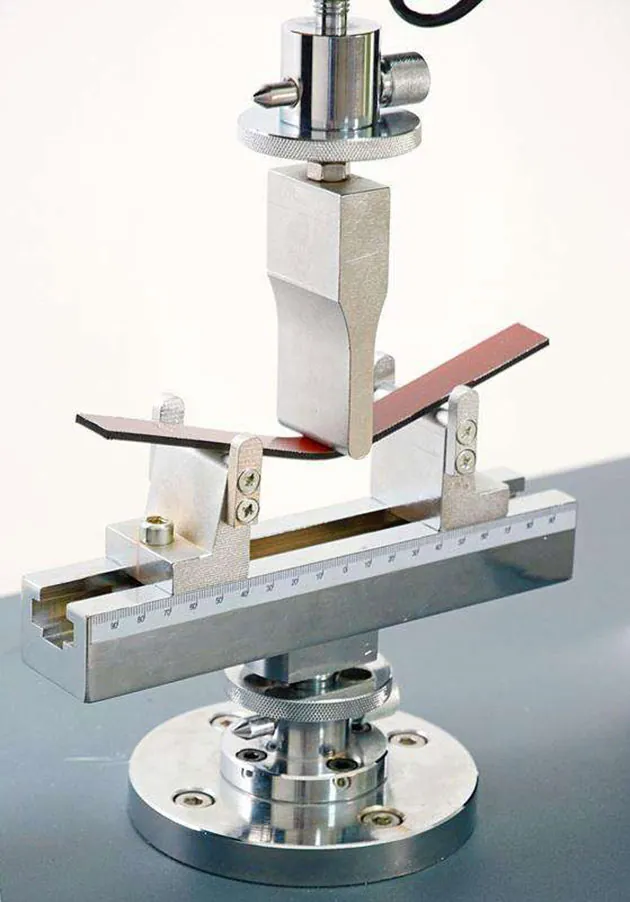
Tensile Testing
- Xresin fiber-reinforced materials deliver 10% higher mechanical performance!
-
Researchers applied carbon fiber surface sizing control technology to glass fiber systems, improving glass-reinforced plastic performance by 10%. Fiber-reinforced nylon produced so far reaches strengths of up to 280 MPa, giving glass-fiber-reinforced plastics great potential to replace metal.
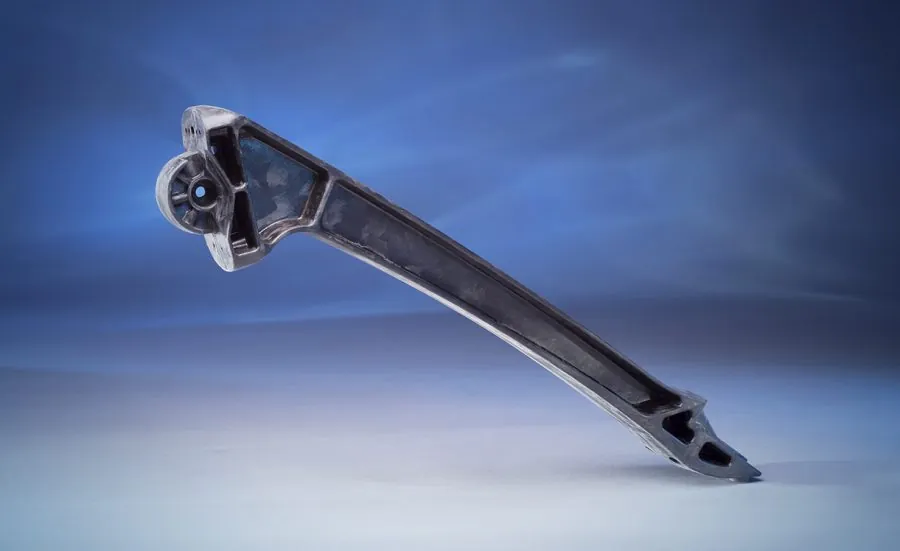
- Using fiber surface sizing control technology, we improved glass-fiber-reinforced nylon by 10%, giving reinforced PA performance comparable to carbon-fiber plastics.
Advanced Carbon-Fiber-Reinforced Materials
- Our advanced composites use carbon fiber surface sizing control, solution-prepreg fiber/resin interface enhancement and high-temperature interfacial bonding matching technologies, giving reinforced plastics great potential to replace metal.