
By varying the type and ratio of fillers (such as graphene and steel fiber), plastics achieve excellent electrical conductivity or electrical insulation
By varying the type and ratio of conductive fillers (graphene, steel fiber, etc.), plastics achieve excellent conductive or antistatic performance.
Request a Sample Ask an Engineer →Plastic polymers have excellent electrical insulating properties. However, this leads to static charge buildup, which can create safety hazards for people and equipment, especially in explosive atmospheres.
We modify base resins with graphite, carbon black, antistatic polymers, fibers and carbon nanotubes to produce conductive compounds, enabling plastic components to be used in environments such as ATEX zones.
Steel-fiber-reinforced compounds provide conductivity and shield electromagnetic radiation up to 60 dB.
Introduction to Conductive Plastics
-
Conductive plastics are functional polymer materials made by blending a resin base with conductive additives and processed using standard plastic molding methods. In general, materials fall into four conductivity classes: insulators, semiconductors, conductors and superconductors. Conductive plastics span the transition from insulator to semiconductor to conductor, the widest range of change achievable in any material. Compared with traditional materials, they are lightweight, easy to mold and have adjustable resistivity, and they can readily be synthesized or compounded into a wide variety of structures through molecular design. By conductivity, conductive plastics are classified as insulating, antistatic, conductive and highly conductive; by manufacturing method, as intrinsically conductive or filled (composite) conductive plastics; and by application, as antistatic materials, conductive materials and EMI shielding materials.
- Base resins include: PC/ABS, PC, ABS, PA, PPE, etc.
- Main conductive fibers: nickel-coated carbon fiber, stainless steel fiber, etc.;
- Conductive plastics provide both EMI shielding and grounding.
Conductive Plastics - Advantages over Metals
- Shielding effectiveness designed to product requirements;
- Good corrosion resistance and long service life;
- Can produce parts with complex geometries;
- No secondary processing, less waste and fast delivery;
- Low production losses, lowering production costs
- No shielding gaskets needed at seams, cutting assembly time and cost
- Low density, reducing shipping costs
- Antistatic plastics 1010 to 1011Ω·cm
-
These materials provide very slow static charge decay, from hundredths of a second to several seconds, preventing buildup that could become a discharge source or trigger other nearby electrical events.
Xresin conductive materials protect sensitive electronics from the damaging effects of static electricity. These compounds offer a consistent surface resistivity of 1010 to 1011Ω·cm and contain no carbon black, so they do not crock or slough. Unlike coatings, these properties are inherent to the material and do not depend on humidity for activation or suffer from brittleness.
- Static dissipative 106 to 1012Ω·cm
-
Our static dissipative compounds control charge dissipation or decay much faster than antistatic materials, typically within milliseconds. The measured resistance is uniform and generally robust.
Materials offering ideal electrostatic discharge (ESD) protection (10 6 – 109 Ω·cm) sit at the low end of the static dissipative range. Our conductive plastics are developed specifically for ESD protection and are offered in four additive technologies: stainless steel fiber, carbon nanotubes, carbon black and Xresin dissipative polymer technology. Our product line also includes carbon-particle-filled grades.
- Conductive plastics 101 to 106Ω·cm
-
These materials provide decay rates measured in nanoseconds — enough to provide a grounding path and dissipate stronger charges.
This conductivity is achieved by adding carbon fiber, high loadings of carbon powder or other conductive additives.
- EMI/RFI shielding plastics 101 to 104Ω·cm
-
These materials qualify by more than conductivity alone: they can absorb or reflect electromagnetic energy, so they can shield against sources of interference.
Products with shielding performance are achieved by dispersing stainless steel or metallized fiber fillers
We offer an extensive line of conductive and antistatic plastics
| Base Polymer | Material | Surface Resistivity Range | Available Colors | Processing Method |
|---|---|---|---|---|
| Polypropylene | PP | 101-1011 | Natural, black, transparent | Injection molding, extrusion |
| Nylon 6/6 | PA 6/6 | 101-1011 | Natural, black | Injection molding, extrusion |
| Nylon 6 | PA 6 | 101-1011 | Natural, black | Injection molding, extrusion |
| Nylon 6/10 | PA 6/10 | 101-1011 | Natural, black | Injection molding, extrusion |
| Nylon 11 | PA 11 | 101-1011 | Natural, black | Injection molding, extrusion |
| Nylon 6/12 | PA 6/12 | 101-1011 | Natural, black | Injection molding, extrusion |
| Nylon 12 | PA 12 | 101-1011 | Natural, black, transparent | Injection molding, extrusion |
| Nylon 4/6 | PA 4/6 | 101-1011 | Natural, black | Injection molding, extrusion |
| Impact-modified nylon 6/6 | PA 6/6 | 101-1011 | Natural, black | Injection molding, extrusion |
| Polycarbonate | PC | 101-1011 | Natural, black | Injection molding, extrusion |
| Polystyrene | PS | 101-1011 | Natural, black | Injection molding, extrusion |
| Styrene acrylonitrile | SAN | 101-1011 | Natural, black | Injection molding, extrusion |
| Acrylonitrile butadiene styrene | ABS | 101-1011 | Natural, black, transparent | Injection molding, extrusion |
| High-density polyethylene | HDPE | 101-1011 | Natural, black, transparent | Injection molding, extrusion |
| Low-density polyethylene | LDPE | 101-1011 | Natural, black, transparent | Injection molding, extrusion |
| Acetal | POM | 101-1011 | Natural, black | Injection molding, extrusion |
| Polysulfone | PSU | 101-1011 | Black | Injection molding, extrusion |
| Polybutylene terephthalate | PBT | 101-1011 | Natural, black | Injection molding, extrusion |
| Polyethylene terephthalate | PET | 101-1011 | Natural, black, transparent | Injection molding, extrusion |
| Polyester-based thermoplastic polyurethane elastomer | TPUR | 101-1011 | Natural, black, transparent | Injection molding, extrusion |
| Polyether-based thermoplastic polyurethane elastomer | TPUR | 101-1011 | Natural, black, transparent | Injection molding, extrusion |
| Polyphenylene sulfide | PPS | 101-1011 | Natural black | Injection molding, extrusion |
| Polyethersulfone | PES | 101-1011 | Black | Injection molding, extrusion |
| Polyether-ester block copolymer thermoplastic elastomer | TPEE | 101-1011 | Natural, black | Injection molding, extrusion |
| Modified polyphenylene ether | PPO | 101-1011 | Natural, black | Injection molding, extrusion |
| Acrylic | PMAA | 101-1011 | Natural, black, transparent | Injection molding, extrusion |
| Polyetherimide | PEI | 101-1011 | Black | Injection molding, extrusion |
| Rigid thermoplastic polyurethane | RTPU | 101-1011 | Natural, black, transparent | Injection molding, extrusion |
| Polycarbonate/ABS alloy | PC/ABS | 101-1011 | Natural, black | Injection molding, extrusion |
| Styrenic block copolymer thermoplastic elastomer | SBC | 101-1011 | Natural, black, transparent | Injection molding, extrusion |
| Thermoplastic vulcanizate | TPV | 101-1011 | Natural, black | Injection molding, extrusion |
| Polyether block amide thermoplastic elastomer | PEBA | 101-1011 | Natural, black, transparent | Injection molding, extrusion |
| Polymethylpentene | PMP | 101-1011 | Natural, black, transparent | Injection molding, extrusion |
| Perfluoroalkoxy | PFA | 101-1011 | Black | Injection molding, extrusion |
| Ethylene tetrafluoroethylene | ETFE | 101-1011 | Black | Extrusion |
| Polyvinylidene fluoride | PVDF | 101-1011 | Black | Injection molding, extrusion |
| Liquid crystal polymer | LCP | 101-1011 | Black | Injection molding, extrusion |
| Fluorinated ethylene propylene | FEP | 101-1011 | Black | Injection molding, extrusion |
| Polyether ether ketone | PEEK | 101-1011 | Black | Injection molding, extrusion |
| Polyphthalamide | PPA | 101-1011 | Black | Injection molding, extrusion |
| Polyether ketone ketone | PEKK | 101-1011 | Black | Injection molding, extrusion |
| Thermoplastic polyimide | TPI | 101-1011 | Black | Injection molding, extrusion |
| High-temperature nylon | HTN | 101-1011 | Black | Injection molding, extrusion |
| Polyketone | PK | 101-1011 | Natural, black | Conductive, wear-resistant |
| Syndiotactic polystyrene | SPS | 101-1011 | Black | Injection molding, extrusion |
| Polytrimethylene terephthalate | PPS | 101-1011 | Black | Injection molding, extrusion |
| Thermoplastic polyolefin | TPO | 101-1011 | Natural, black | Injection molding, extrusion |
| Specialty thermoplastic elastomer | TPE | 101-1011 | Natural, black, transparent | Natural, black, transparent |
- We continue to develop conductive compounds that address specific performance needs in products affected by static buildup. We have also expanded our compounding technologies to include electrostatically paintable (EPP) compounds, conductive compounds for extrusion, conductive thermoplastic sheet, carbon-based compounds and highly conductive compounds. The fastest way to learn more is to contact our sales engineers!
- Flexible Tubing, Hose & Profile Applications
-
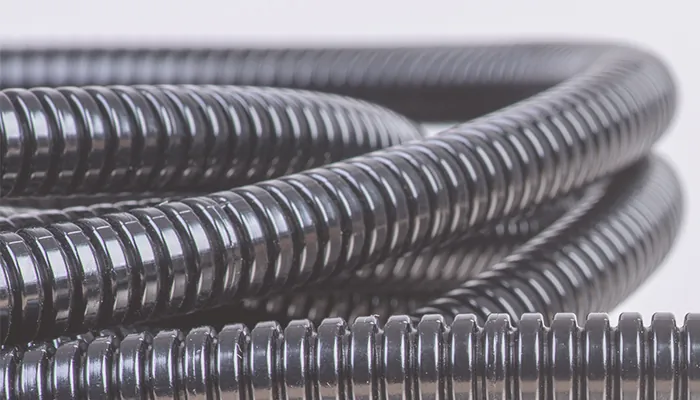
Our conductive thermoplastic elastomers dissipate static charge, reducing the risk of explosions and damage to expensive equipment in hazardous environments.
- Film Applications
-
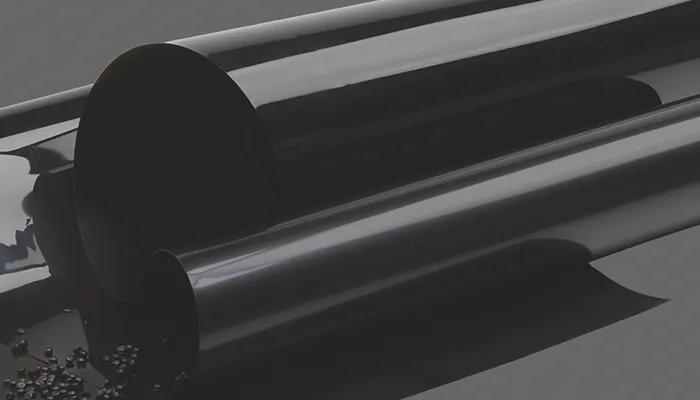
Our film-grade plastics deliver durable conductivity and excellent dispersion. They comply with ATEX regulations, are easy to process, recyclable and highly resistant to abrasion.
- Sheet Applications
-

The demanding material requirements of the transportation and packaging industries drive us to keep developing new sustainable and functional materials to meet customer needs.
- Injection Molding Applications
-
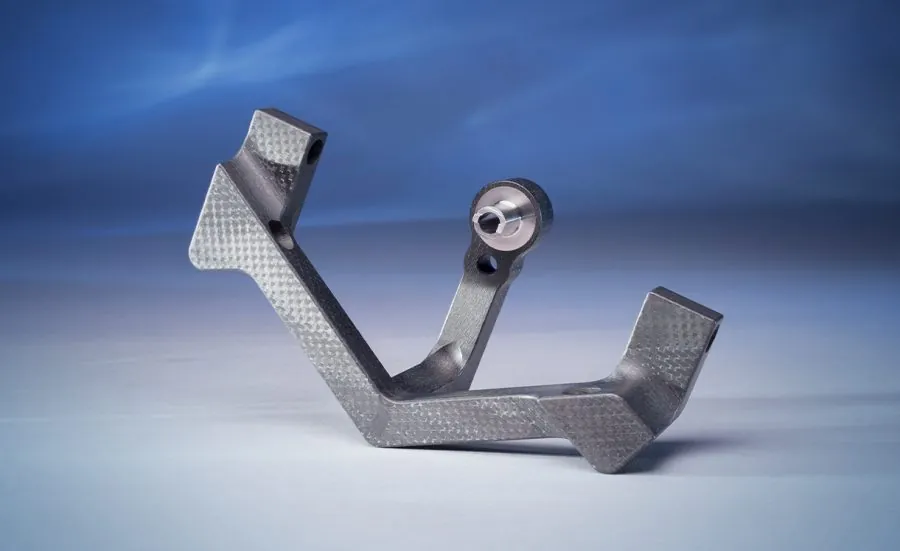
Fast injection molding with short processing cycles for easy mass production; products with shielding performance are achieved by dispersing stainless steel or metallized fiber fillers